Sutima Sucharitakul: building a global platform for Thai contemporary art
Bangkok based art gallery Nova Contemporary is championing contemporary art in Thailand while expanding its global reach through major platforms like the Venice Biennale and Art Basel. We spoke to the gallery founder and SOAS alumna Sutima Sucharitakul (MA History of Art, 2013) about how her education and experiences shaped the gallery’s distinctive vision and direction.
Founded in 2016 and located in Bangkok’s Sam Yan vibrant neighbourhood, Nova Contemporary has spent the past decade supporting a diverse roster of emerging and established artists. It has also built an international presence, participating in, among others, the Venice Biennale and Art Basel. At its core, Nova aims to foster a reciprocal exchange between Thailand’s contemporary art scene, Southeast Asia and beyond.
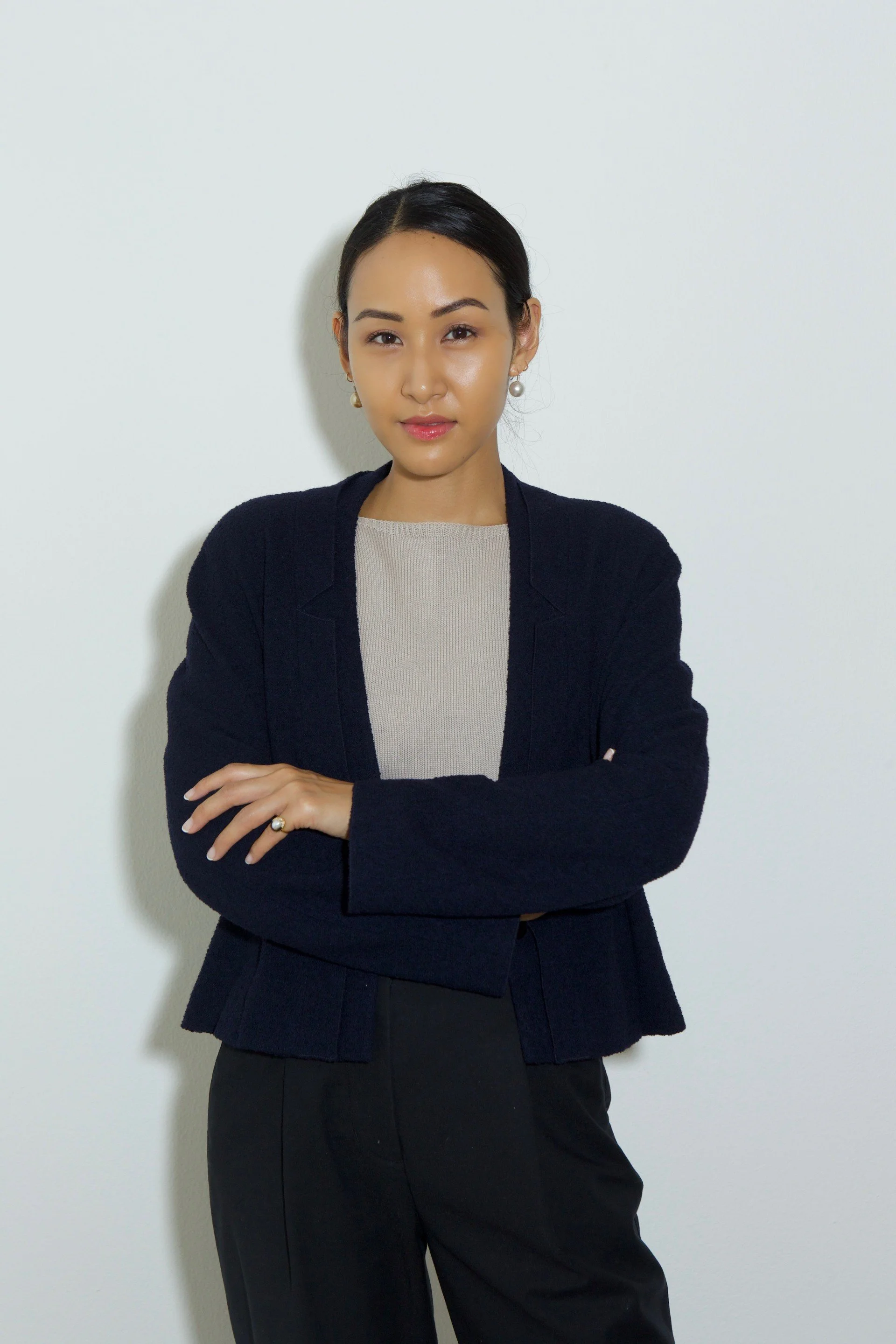
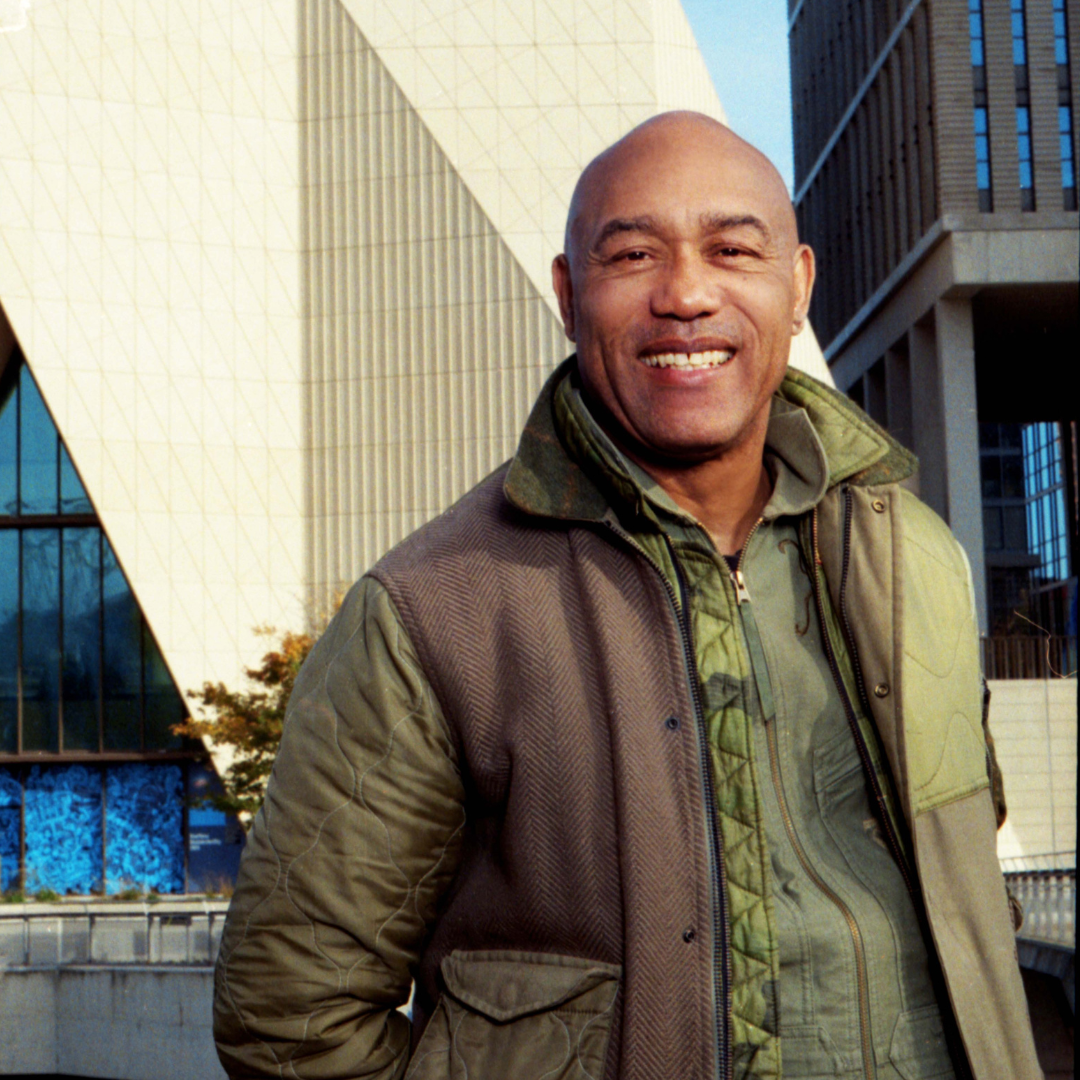
Sutima Sucharitakul (MA History of Art, 2013).
From SOAS student to art leader
We met Sutima online in early February, just weeks before the gallery’s 10th anniversary celebrations. Her path into the art world was not straightforward. She explains: “I wanted to study art and something that would bring me closer to my country. When I saw that SOAS had an established art gallery, I knew it was the place for me.”
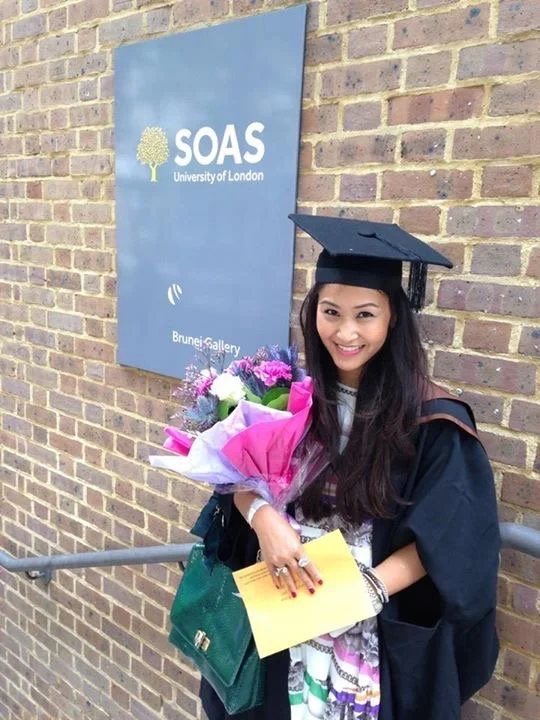
Sutima graduated at SOAS in 2013.
Her time at SOAS proved formative. She was impressed by the international environment, where students from diverse backgrounds brought different languages, cultures and perspectives.
She recalls her surprise at seeing non-Thai students speaking Thai and many other languages.
She also highlights the lasting impact of her professors, whose mentorship shaped her career: “Through Professor Elizabeth Moore, I met people not only in America and Europe, but also in my own country. She guided me throughout my time at SOAS and beyond, which was very special.”
Sutima secured an internship at the Metropolitan Museum of Art in New York, which gave her valuable insight into the museum world and helped clarify her ambitions. She says: “It opened my eyes to working more closely with artists and galleries, which had always interested me.”
Building Nova Contemporary
This realisation led her back to Thailand. At the time, the country’s contemporary art market was still developing, with few galleries operating on an international model. Sutima saw an opportunity to build something new. “I decided to make a business out of something I loved,” she says. “There were no clear models for galleries in Thailand like those in London or New York. I wanted to create that structure and support artists in a global way.”
Behind Nova Contemporary’s international profile sits a small team. Sutima remains closely involved in every aspect of the gallery, from artistic direction to day-to-day operations. She explains: “I oversee the programme, the budgets, and the planning of exhibitions. I spend most of my time meeting artists and collectors and building relationships with institutions.”
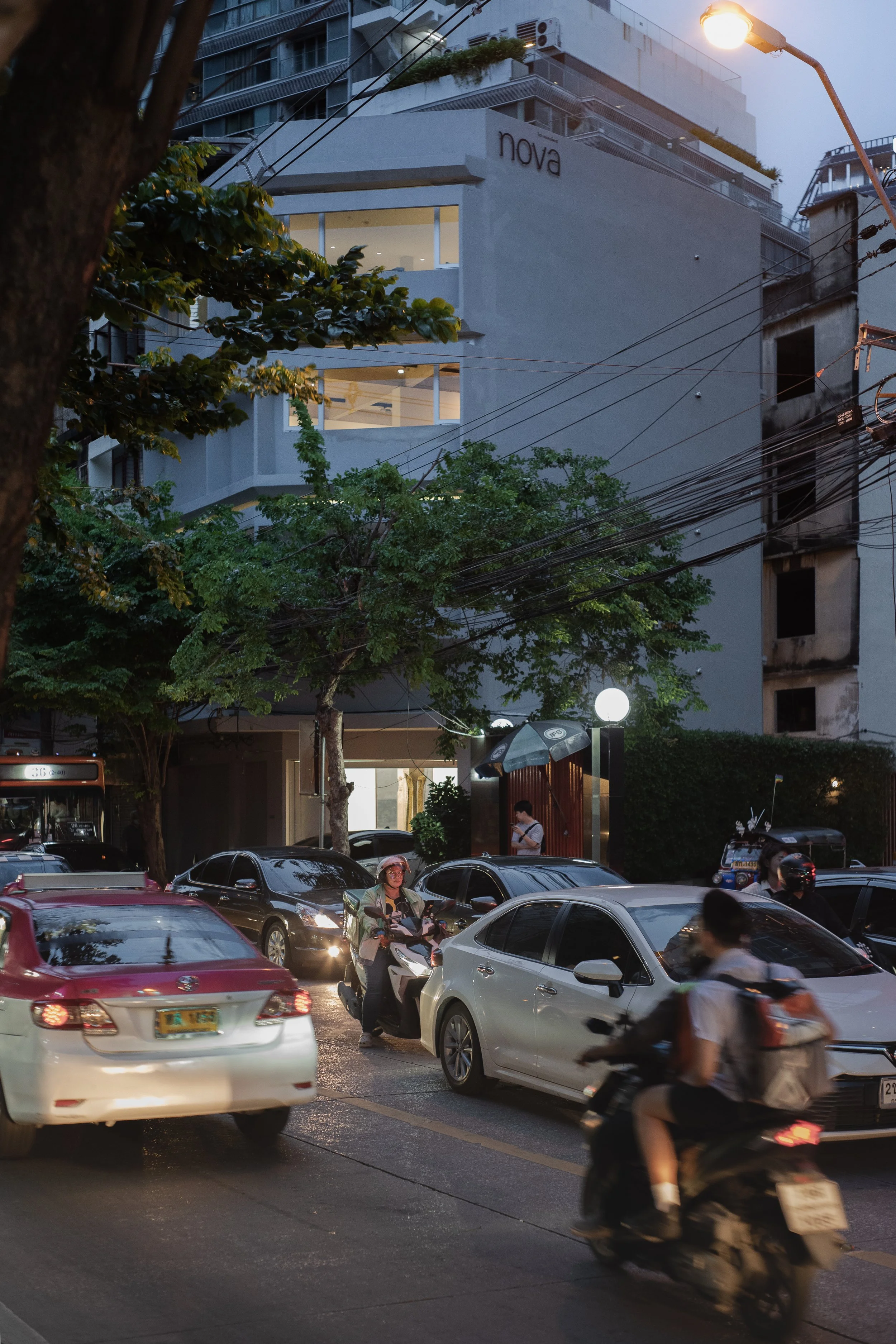
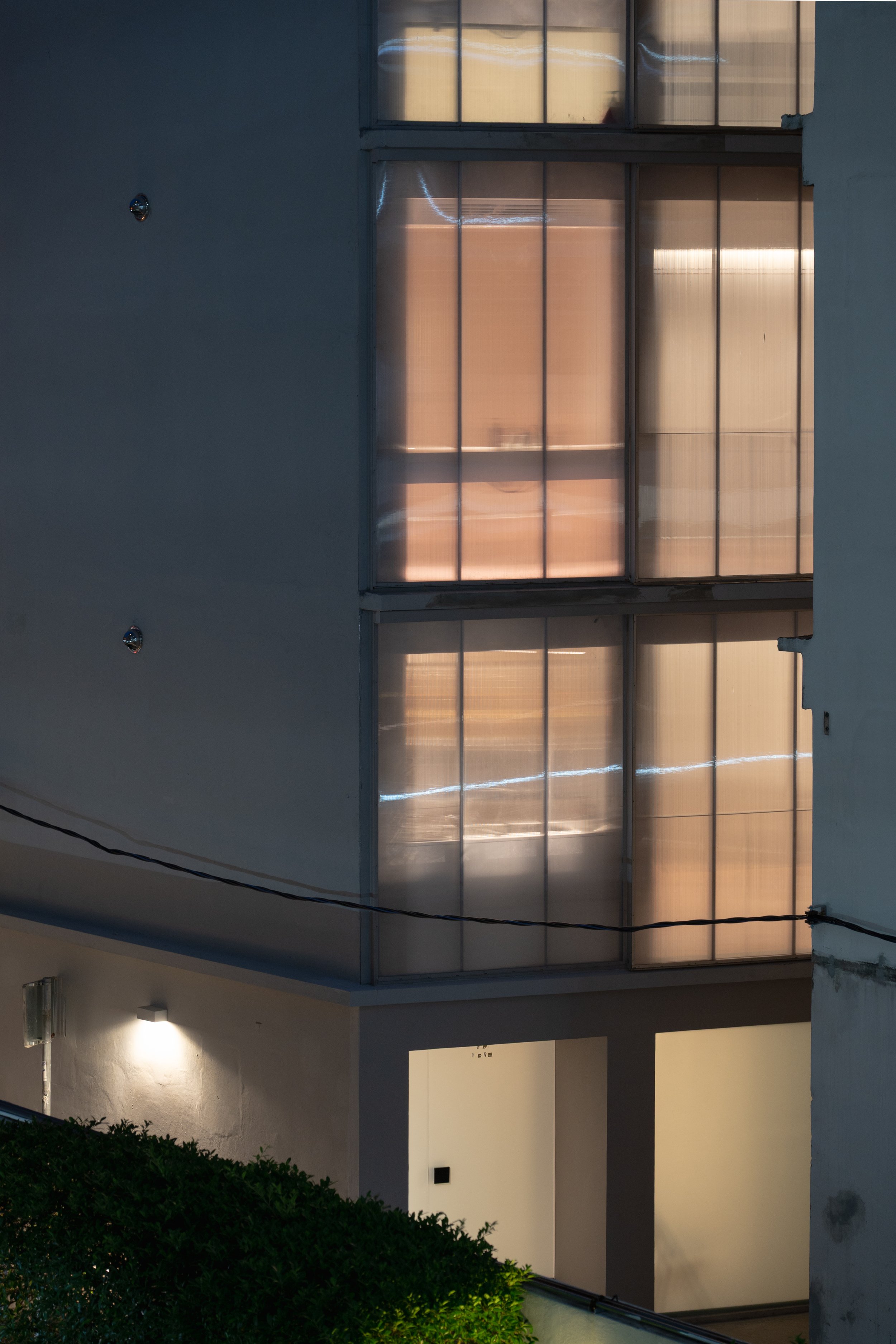
Nova Contemporary Building. Courtesy of the Nova Contemporary. Photo by Lalina Kittipoomvong.
From the outset, Nova Contemporary has focused on contemporary art, a relatively young market in Thailand, which has only developed over the past two decades. In its first ten years, the gallery concentrated on highly conceptual art forms, including film, installation, and experimental projects.
“I wanted to start with what was most challenging,” Sutima explains. “Those exhibitions were important for gaining the respect of local artists and building meaningful conversations. Thailand is well known for conceptual artists, and that helped us establish our foundation.”
Nova’s audience includes established local collectors familiar with modern art, younger collectors beginning to engage with contemporary practice, and international collectors who encounter the gallery through art fairs and collaborations.
Playing the long game on the global stage
“By having a consistent programme over 10 years, people come to understand what the gallery stands for,” Sutima says.
That consistency has led to significant milestones and successes, including acquisitions by major institutions. Works by Nova artists have entered international collections such as Tate, alongside participation in landmark international exhibitions like the Venice Biennale and Art Basel. Nova was the first Thai gallery to present a solo booth in Art Basel’s Discovery section, a moment Sutima describes as both affirming and strategically important.
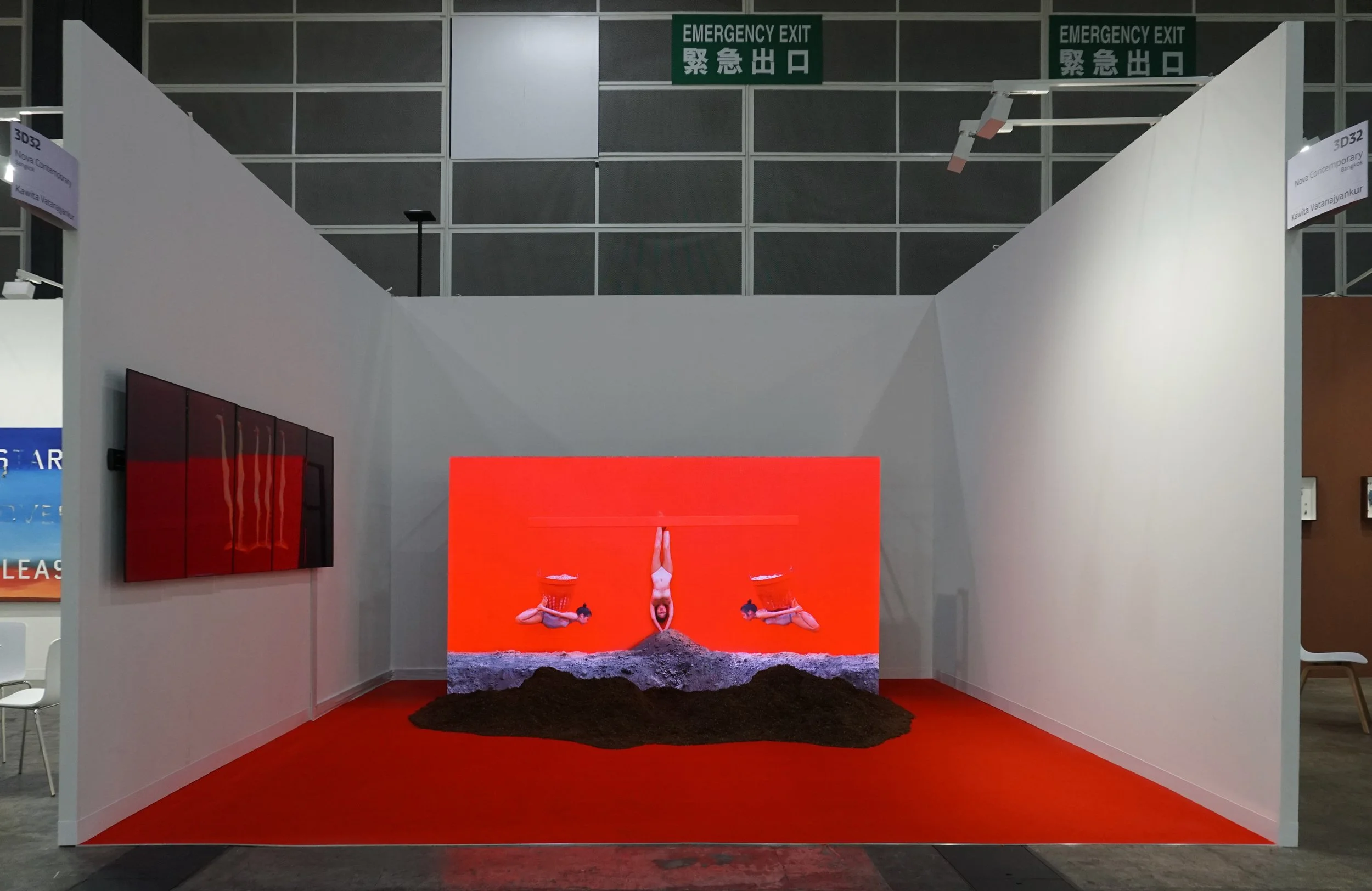
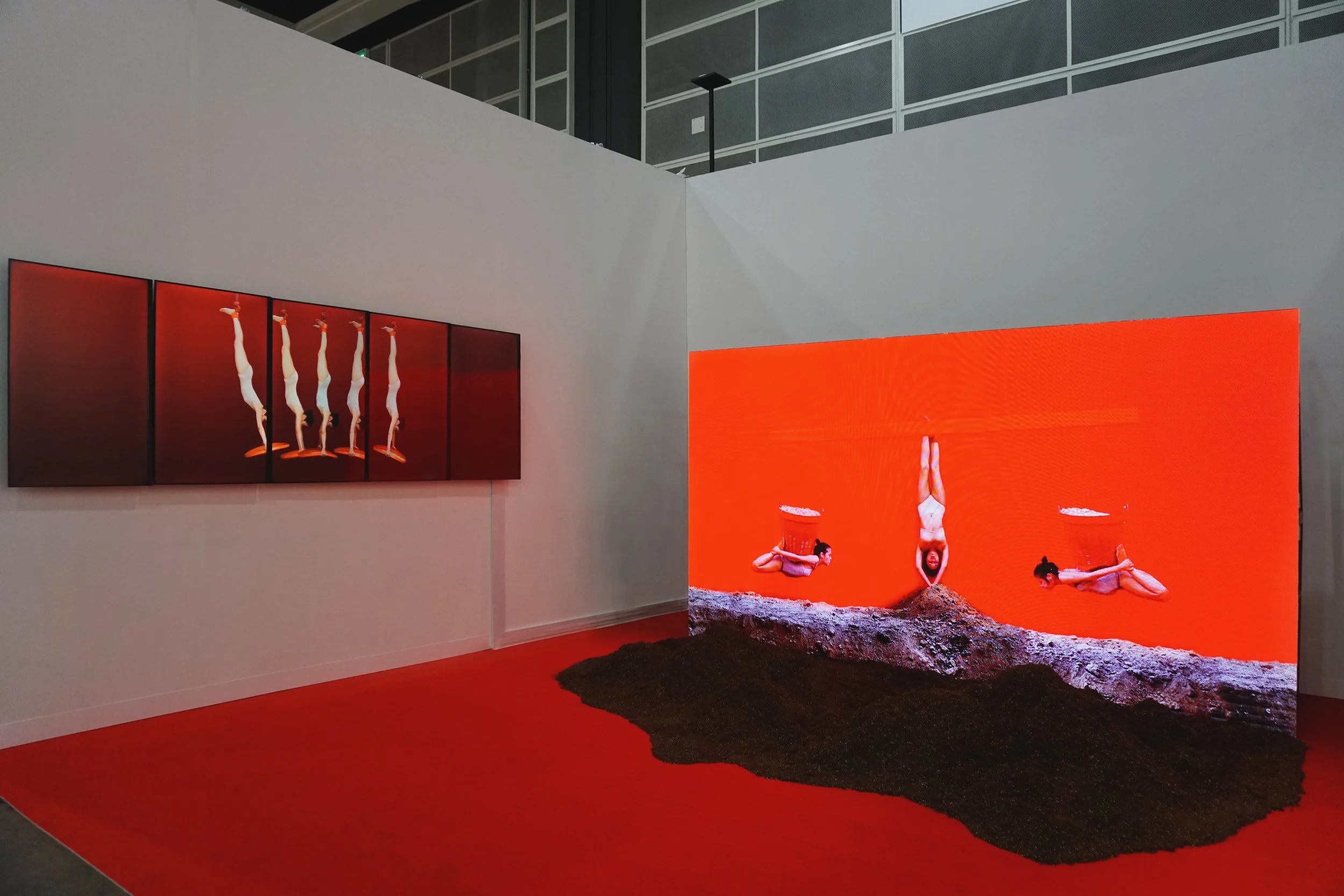
Installation view of "Kawita Vatanajyankur at Art Basel Hong Kong", Nova Contemporary, Bangkok, Thailand (2023). Courtesy of the artist and Nova Contemporary. Photo by Panta Lertbanditkul.
While international exposure matters, collaboration within Southeast Asia remains central to Nova’s approach. The gallery works closely with partner galleries in Indonesia and the Philippines, regions with strong and rapidly growing contemporary art scenes: “In Southeast Asia, collaboration is everything,” Sutima says. “We exchange artists, build shared audiences and support each other.”
The philosophical core of Nova Contemporary’s programme lies in its engagement with history, spirituality and place. Rather than framing Thai art through narrow or stereotypical lenses, the gallery foregrounds practices rooted in local and regional histories while addressing contemporary issues.
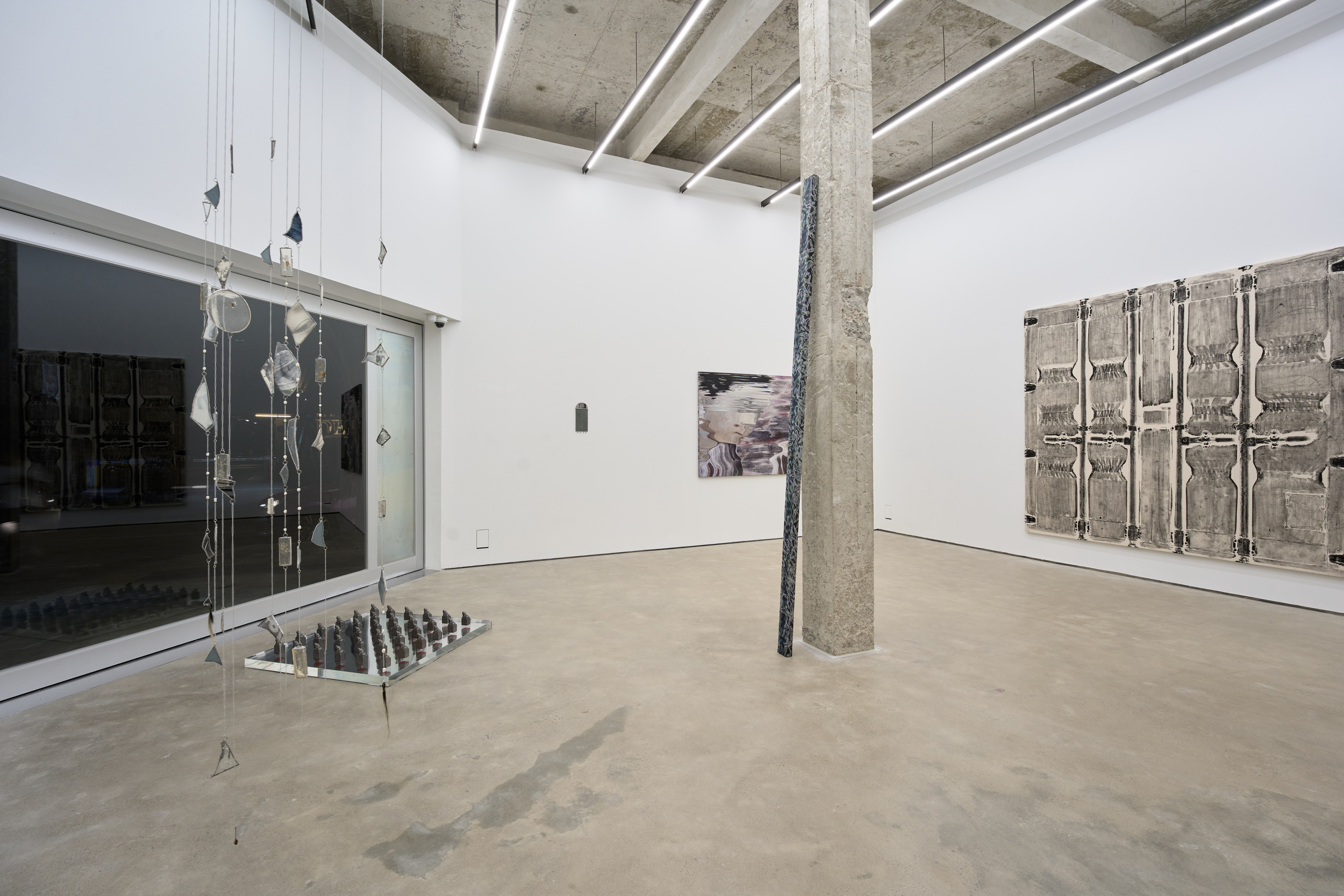
Installation view of "Boxes" by artists Michale Ho, Michele Chu, Nicole Coson and Tan Jing. Curated by Colette Auyang. Nova Contemporary, Bangkok, Thailand (2025). Courtesy of the artists and Nova Contemporary. Photo by Akkarawin Krairiksh.
“People often associate Thai art with Buddhism”, Sutima explains, “but we want to focus on spiritual and site-specific histories in the region. Our artists look at history and the past, but they also deal with very contemporary subjects.”
This thinking is closely tied to Sutima’s own academic background. “That’s why the history of art is so important,” she says. “Even if you work with contemporary art, you need to go back, you need to understand where things come from.”
As Nova Contemporary enters its second decade, the gallery’s priorities are shifting. While supporting the artists it has worked with over many years, helping them access wider international platforms, they are also focusing on Thai artists who have passed away without receiving the recognition they deserve. “It’s important to look back,” she says. “There are artists whose work has been overlooked and who still do not have a market.”
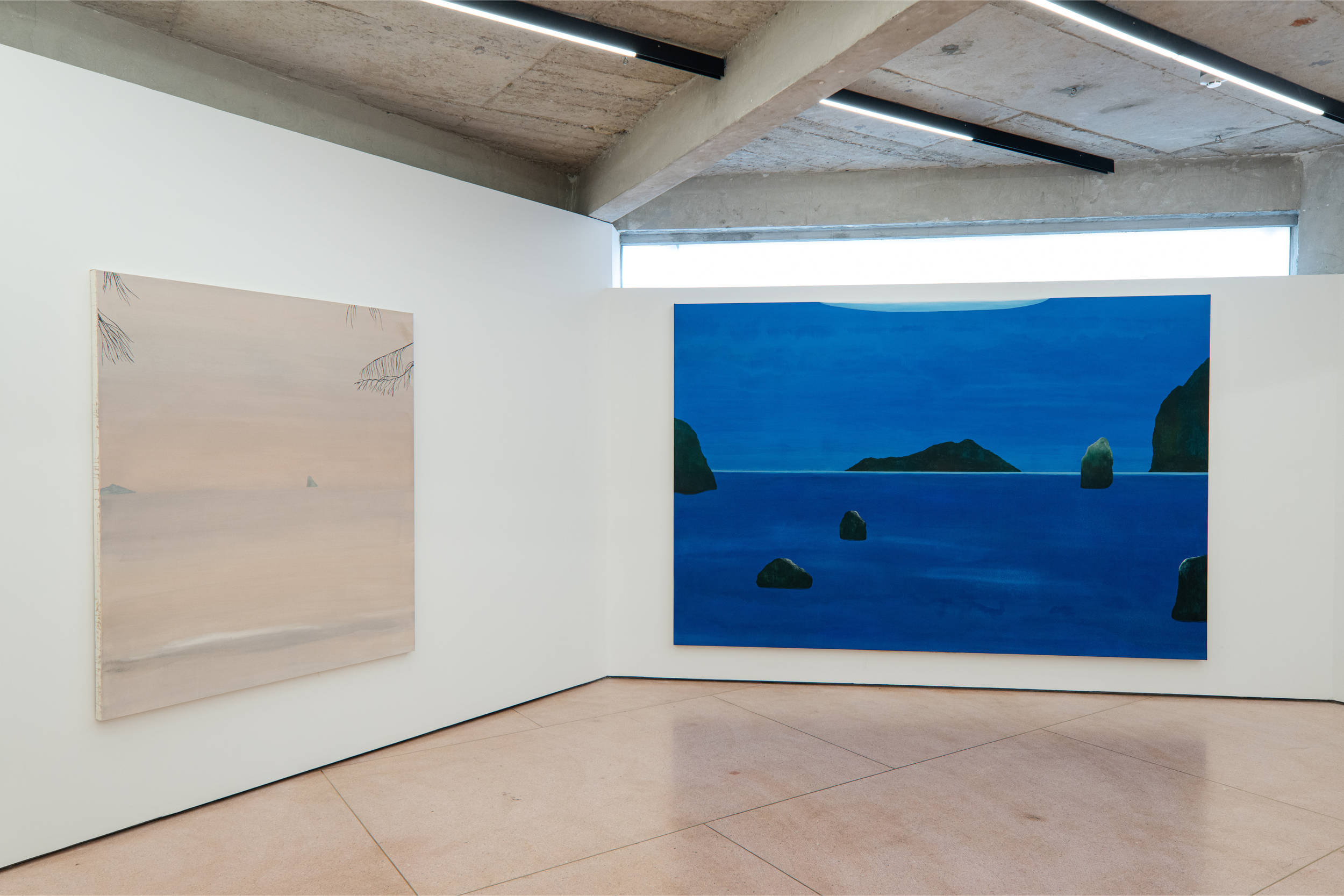
Installation view of "Catch the Light by the Sidewalk", Nova Contemporary, Bangkok, Thailand (2026). Courtesy of the artist and Nova Contemporary. Photo by Kanrapee Chokpaiboon.
This approach is reflected in Nova Contemporary’s current programme. The gallery’s current exhibition, Emergent Figures (21 March to 9 May 2026), curated by esteemed contemporary art academic Chanon Kenji Praepipatmongkol, brings together Thai modern and contemporary artists often regarded locally as masters, yet still underrepresented internationally.
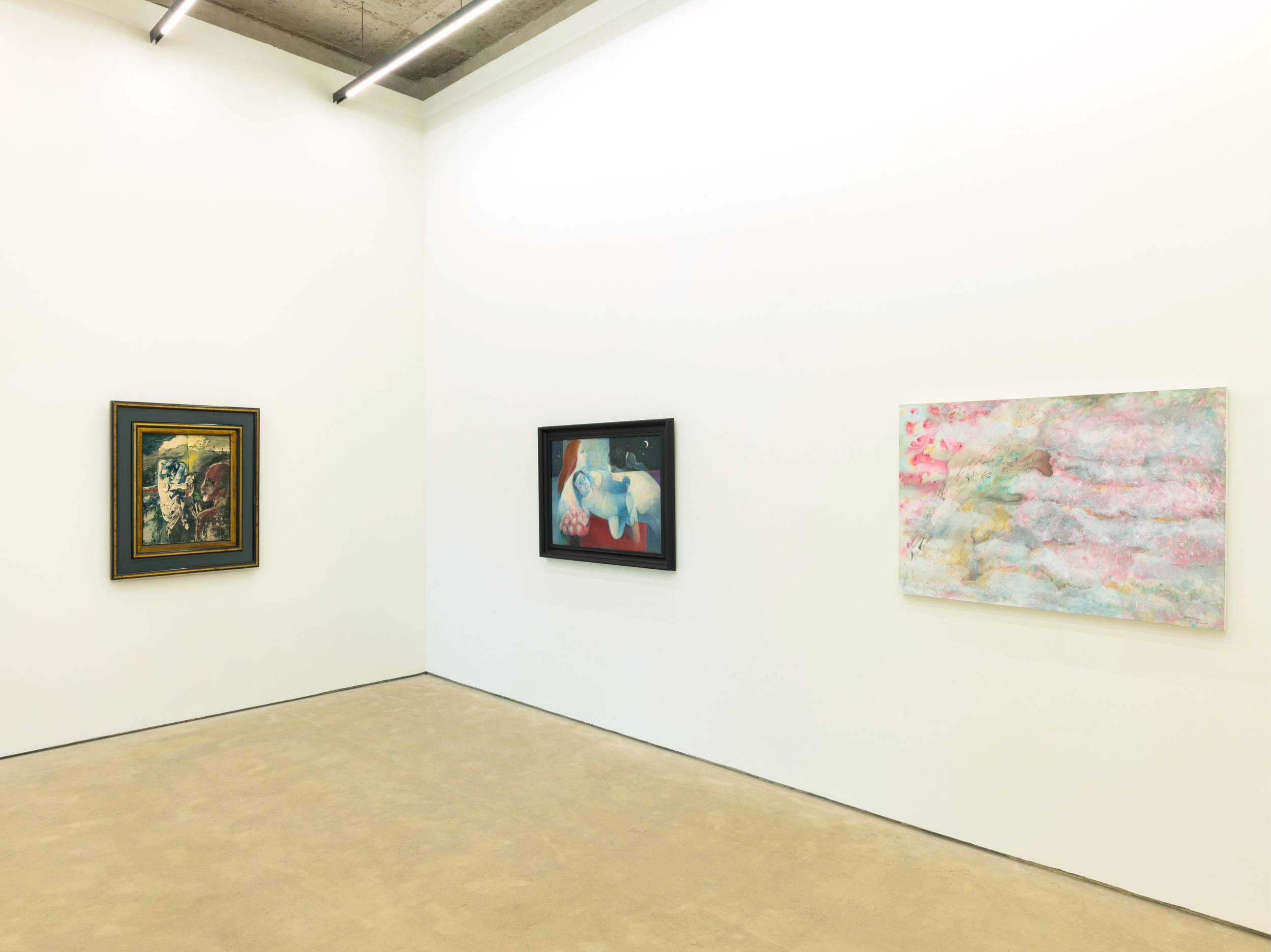
Installation view of "Emergent Figures" curated by Chanon Kenji Praepipatmongkol, Nova Contemporary, Bangkok, Thailand (2026). Courtesy of the artist and Nova Contemporary. Photo by Akkarawin Krairiksh.
In the future, Sutima hopes to see greater museum representation for Southeast Asian artists worldwide, supported by stronger patronage from within the region. “International visibility requires funding and long-term commitment,” she says. “But I believe it will happen.”
Her strategic approach remains based on consistent and carefully cultivated interactions, essential in an industry that depends as much on trust as it does on knowledge. “The art world is very small,” she says. “You need years and years of relationships, and you have to play the long game. Once you are in this field, you are in it fully.”
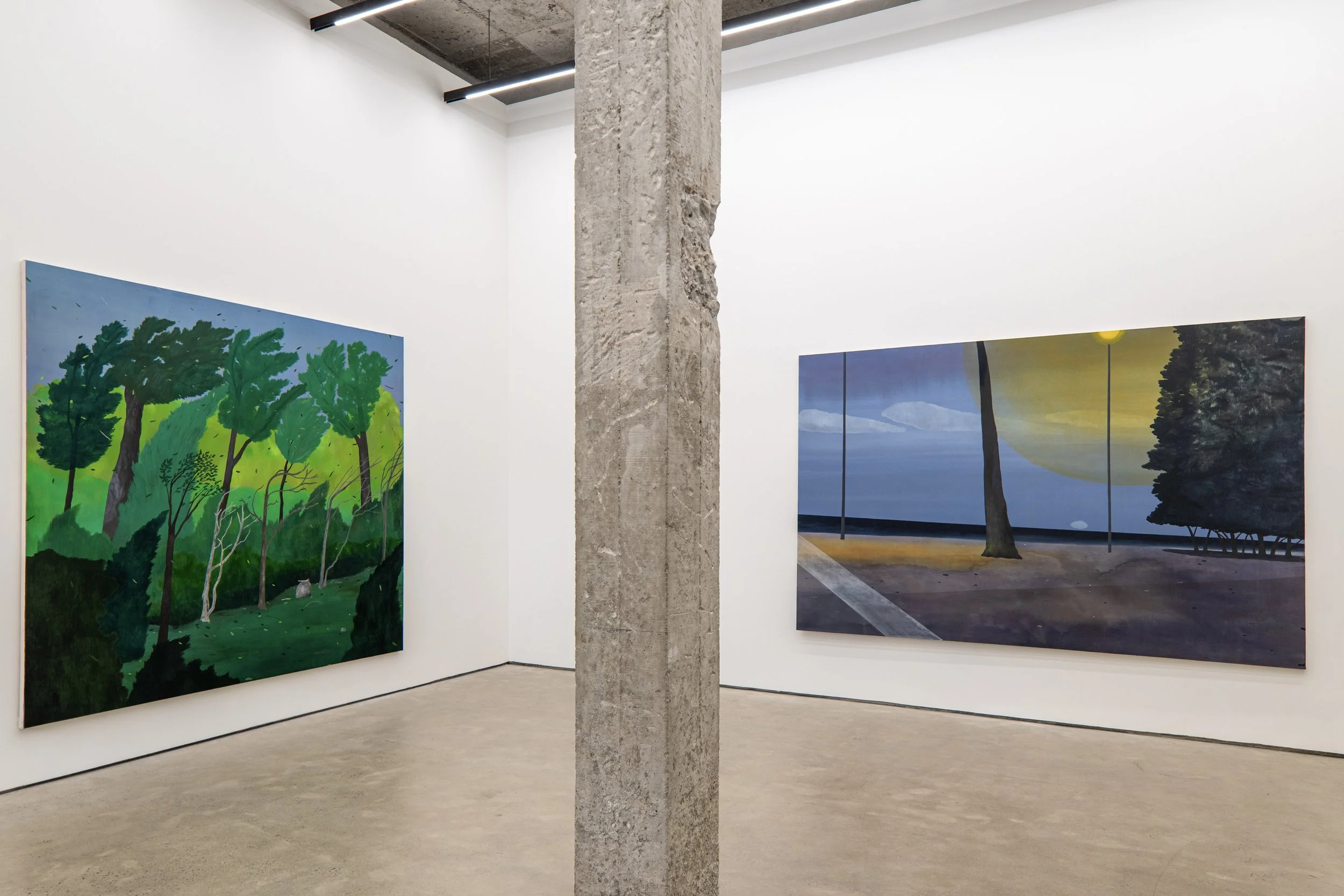
Installation view of "Catch the Light by the Sidewalk", Nova Contemporary, Bangkok, Thailand (2026). Courtesy of the artist and Nova Contemporary. Photo by Kanrapee Chokpaiboon.
Header image credit: Installation view of "Kawita Vatanajyankur at Art Basel Hong Kong", Nova Contemporary, Bangkok, Thailand (2023). Courtesy of the artist and Nova Contemporary. Photo by Panta Lertbanditkul.
Cultural Highlight
We asked: What is one cultural experience that inspired you?
“One place I would strongly recommend visiting is the DIB Museum, a new private museum in Thailand dedicated entirely to contemporary art.
It is the first of its kind in the country to focus on global contemporary practice, not only Thai art, and seeing that level of institutional ambition in Thailand is incredibly meaningful.
The museum has collected works by many artists we work with at Nova, which strengthens the entire ecosystem.
I was particularly moved by the depth of its collection of Montien Boonma, widely regarded as the father of contemporary Thai art. His work is held by institutions such as MoMA, yet for a long time he was not fully recognised at home.
To see his work presented with such care and context reminded me why it matters to continue building international visibility for contemporary artists from Thailand today.”
Features
-
![]()
Dr Gus Casely-Hayford: connecting communities through art and music in East London
-
![]()
Colin Chinnery: creating a new museum model in China through sound
-
![]()
Nana Oforiatta Ayim: reimagining African cultural institutions and futures